Standards
While the rules sound simple, practical application can be more complex. Below is VegeCert's published list of prohibited and permitted ingredients for each designation.
Certified Vegan
VegeCert Vegan Standards
VegeCert vegan products contain no animal or animal by-products, including dairy, eggs or honey. While not comprehensive, below is a list of common ingredients that cannot be used.
Common Prohibited Ingredients
- Animal-derived additives
- Calcium mesoinositol hexaphosphate
- E120 cochineal
- E542 edible bone phosphate
- E631 sodium 5′-inosinate
- E901 beeswax
- E904 shellac
- Lactose
- Sperm oil
- Spermaceti
Other Animal Products
- Animal fibres: angora, astrakhan, cashmere, mohair, wool
- Animal milks and derivatives: casein, caseinates, lactates, lactic acid, lactose
- Bee products: bee pollen, bee venom, beeswax, honey, propolis, royal jelly
- Dairy products and by-products: butter, cheese, whey, yoghurt
- Eggs: hen, quail, duck, ostrich
- Human-derived substances: keratin, placenta
- Items obtained direct from slaughter: fish (including anchovies), game and derivatives, poultry, meat
- Marine animal products: ambergris, capiz, caviar(e), chitin, coral, fish scales, fishmeal, isinglass, marine oils and extracts, natural sponge, pearl, roe, seal meat, shellfish, sperm oil, spermaceti wax, whale meat
Slaughter By-Products
Animal fats (dripping, lard, suet, tallow), amino acids, aspic, bone, bone charcoal, bone-meal, bristles, collagen, down, dried blood, fatty acid derivatives, feathers, fur, gelatin(e), glycerin(e)/glycerol, hair, hides (leather, suede, etc.), hoof and horn meal, oleic acid, oleic oil, oleostearin, pepsin, proteins (elastin, keratin, reticulin), rennet, skins, stearates, stearic acid, stearin(e).
Miscellaneous
Amniotic fluids, animal and fish glues, carmine/carminic acid, catgut, chamois, cochineal, crushed snails or insects, fixatives (musk, civet, castoreum), hormones (oestrogen, progesterone, testosterone), ivory, lanolin(e), oil of mink, parchment, placenta, silk, shellac, snake venom, some vitamins (e.g. D3), urea, vellum, and any carriers (gelatin(e) is sometimes used to carry beta-carotene and D2), processing aids (lactose is often used to fix flavour in crisps), or release agents (sometimes used to prevent confectionery and baked goods adhering to manufacturing equipment) containing substances of animal origin.
Certified Vegetarian
Vegetarian Standards
VegeCert vegetarian certified products accord with the vegan classifications above, except they may contain the following:
- Dairy ingredients
- Egg ingredients
- Bee products
- Shellac
Machinery & Cross-Contamination
Shared equipment standards
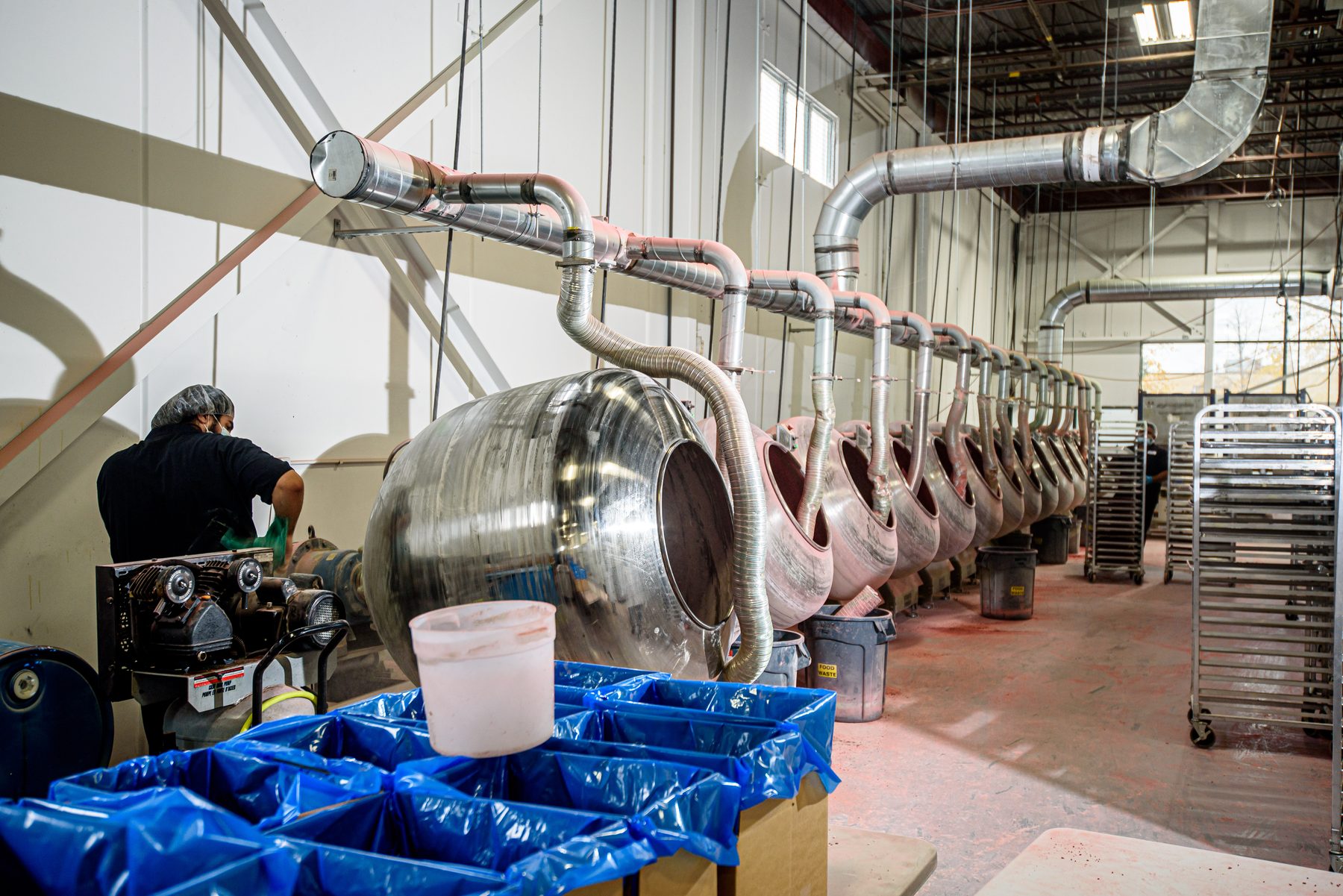
If VegeCert products are manufactured in facilities that also process animal-based ingredients, VegeCert requires that machinery be cleansed thoroughly between production runs.
Allergen testing must then be performed, indicating 5 parts per million or fewer of any non-vegan residue, before a run is deemed suitable for VegeCert vegan production. We work with companies to put systems in place that prevent cross-contamination between VegeCert and non-VegeCert products and ingredients.
Not sure if your product qualifies?
Send us your ingredient list and we'll tell you exactly where it stands against our standards.