Why Certification Matters
Reading a product's ingredient panel doesn't always tell the full story. Here's why third-party certification exists — and what to look for on shelf.
Why Can't I Just Read The Label?
Ingredient panels don't always tell the full story
Food production is complex. Ingredients like gelatin (often derived from cattle, pig, or horse remnants) and rennet (a coagulant that can come from animal stomach lining) show up in products that don't look obviously animal-derived.
There are three reasons reading a label isn't always enough:
- Some ingredients, like glycerine, can be animal or plant-derived and manufacturers aren't required to specify which.
- Ingredients used in very small proportions aren't always required to appear on the label at all.
- Shared manufacturing equipment can introduce cross-contamination even when a formula itself is animal-free.
Look For The Seal
The VegeCert mark means it was inspected, not just declared
Every certified product has been reviewed against VegeCert's published Vegan or Vegetarian Standards, with a facility inspection behind the label.
Application Reviewed
Every ingredient is checked against VegeCert's standards before certification is granted.
Facility Inspected
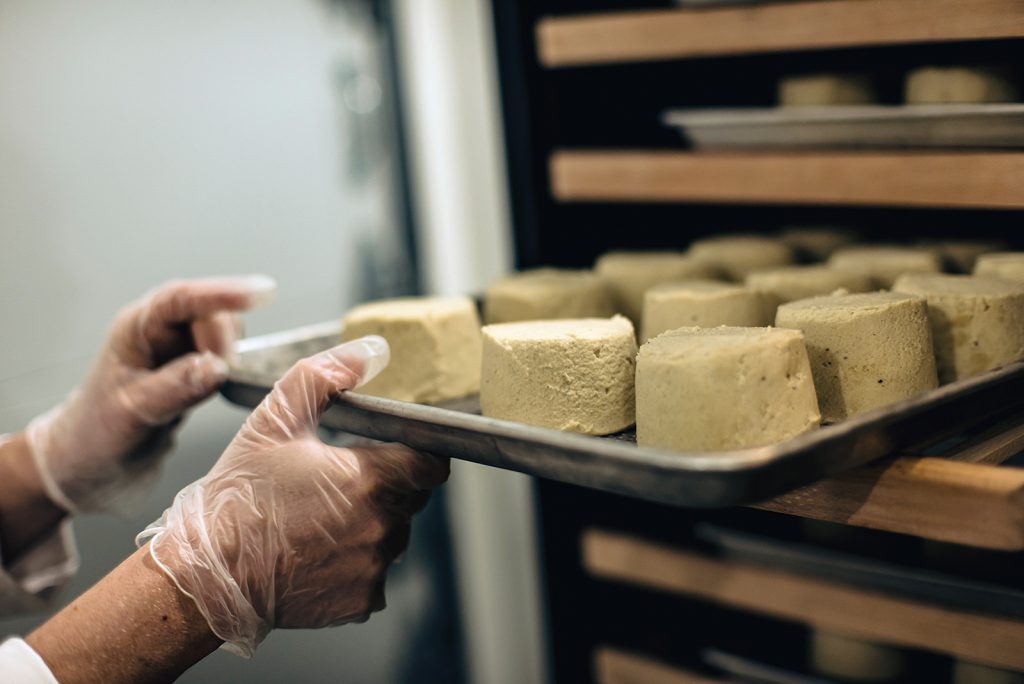
Our inspectors verify manufacturing conditions, not just a submitted recipe.
Ongoing Compliance
Certified companies remain accountable to VegeCert's standards for as long as they carry the mark.
Are you a manufacturer?
If you make food, beverage, supplement, or personal care products, find out what it takes to earn the VegeCert seal.